A digital audit is a structured review of how a business uses digital channels, experiences, data, and technology to achieve its goals. It identifies performance gaps, broken handoffs, measurement weaknesses, duplicated work, and the few priorities most likely to improve results.
A digital audit should not be a collection of screenshots and scores. Its job is to explain why current performance looks the way it does and what the business should change first.
The strongest audit connects commercial goals to the complete digital system: positioning, customer journey, website, search, paid media, content, social, analytics, CRM, automation, and ownership. A narrow channel audit can still be useful, but it should not pretend to diagnose the whole growth problem.
Start with the audit question
Define the decision the audit must support. Examples include: Why is qualified pipeline flat? Why does paid traffic fail to convert? Which pages should be rebuilt? Is the CRM losing leads? Which content should be updated, consolidated, or removed?
Without a decision question, audits become exhaustive but not useful. Connect the review to the digital strategy framework and one measurable business outcome.

1. Business and positioning audit
Review the target audience, revenue model, priority offer, margins, sales cycle, constraints, and competitive position. Test whether the website and campaigns answer who the offer is for, what problem it solves, what outcome it creates, and why the buyer should believe the claim.
Evidence should include sales-call notes, lost-deal reasons, customer interviews, proposal feedback, and support questions. Brand preferences alone are not enough.
2. Customer journey audit
Map problem recognition, research, comparison, conversion, onboarding, use, retention, and referral. At each stage, identify the customer’s question, interaction, proof requirement, next action, and owner.
Look for gaps such as high-intent pages with no useful CTA, forms with no response standard, email follow-up that ignores the original query, or onboarding that repeats information already collected. Customer journey mapping provides the working method.
3. Website and conversion audit
Review information architecture, navigation, mobile usability, page speed, accessibility, messaging, proof, forms, tracking, and conversion paths. Evaluate pages by user task, not visual taste.
Check whether important pages are indexable, self-canonical, internally linked, and represented in the XML sitemap. Verify that CTAs match the intent of each page. A commercial service page should not force every visitor into the same high-friction form.
When structural issues dominate, plan a website redesign before changing colors or templates. Microdigm’s website development services can then execute against defined requirements.
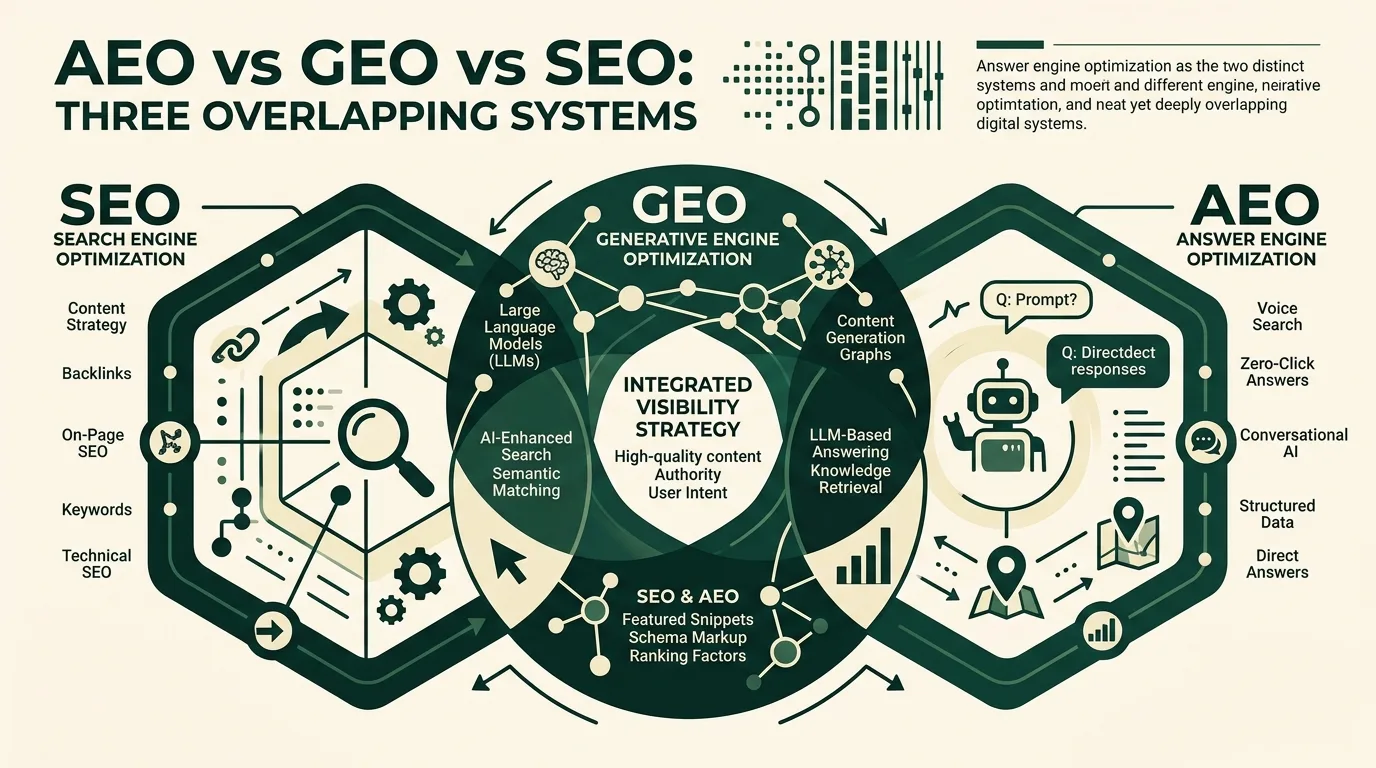
4. SEO and AI discovery audit
Review crawlability, indexation, canonicals, redirects, sitemaps, internal links, page templates, Core Web Vitals, structured data, content quality, search intent, topical overlap, and backlink quality. Inspect whether each important page has a distinct purpose.
For AI discovery, verify that important information is available in visible text, claims are supported, authorship is clear, entity details are consistent, and answer sections are easy to understand without being repetitive. Google’s guidance does not require special AI markup. Start with sound SEO services and technical foundations, then evaluate AI SEO and AEO needs.
5. Content audit
Inventory URLs, purpose, target intent, primary topic, author, last meaningful update, internal links, organic performance, conversions, and business value. Classify content as keep, improve, consolidate, redirect, or remove.
Do not update a date without improving the page. Do not create a new article when an existing page already owns the intent. Fewer, stronger, evidence-led assets outperform a large library of thin pages.

Review conversion definitions, account structure, search terms, audience targeting, creative-message match, landing pages, bidding constraints, budget allocation, attribution, lead quality, and offline conversion feedback.
High platform ROAS can still hide low margins, refunds, or poor lead quality. Compare the role of search advertising and organic search before moving budget between them.
7. Social and distribution audit
Review audience relevance, content formats, originality, message consistency, publishing cadence, engagement quality, referral behavior, and lead capture. Separate content that earns attention from content that contributes to commercial trust.
Social performance should connect to a defined channel role. Microdigm’s social media marketing service should be evaluated against business and audience needs, not post volume alone.
8. Analytics and measurement audit
Confirm analytics installation, consent behavior, event definitions, form and call tracking, cross-domain issues, campaign tagging, CRM stages, duplicate conversions, internal traffic filters, and reporting ownership.
Then test whether the dashboard answers a decision. A useful measurement framework separates business outcomes, decision indicators, and diagnostic signals.
9. CRM and operations audit
Trace one lead from first interaction to closed outcome. Check field quality, duplicates, lead routing, response time, lifecycle stages, ownership, lost reasons, follow-up sequences, and reporting. Record every manual handoff and every point where information is retyped.
Use workflow automation only after the process and failure standard are clear. Consider AI agents where the task can be bounded, monitored, and reviewed.
Prioritize findings
Score each finding by expected impact, confidence, effort, dependency, risk, and time to evidence. Fix measurement blockers and critical customer friction before low-impact cosmetic issues. Convert the top priorities into a 90-day digital strategy roadmap with owners and review dates.

Digital audit checklist
- Business outcome and constraints confirmed.
- Customer evidence reviewed.
- Positioning and proof tested.
- Journey and ownership mapped.
- Website usability and conversion checked.
- Crawlability, indexation, canonicals, and internal links verified.
- Content classified by action.
- Paid-media tracking and lead quality checked.
- Analytics and CRM definitions reconciled.
- Automation opportunities tied to a defined process.
- Findings prioritized with owners and deadlines.
Frequently asked questions
Run a broad audit annually or when strategy, market, website, or technology changes materially. Review critical measurement and channel health more frequently. The cadence should match risk and rate of change.
How long does a digital audit take?
A focused small-business audit may take one to three weeks. A multi-market system with several websites, platforms, and teams can take longer. Scope the audit around decisions, not an arbitrary page count.
What should a digital audit deliver?
It should deliver an evidence-backed diagnosis, prioritized findings, owners, dependencies, a measurement baseline, and a practical execution roadmap.
Audit before you add more activity
If performance is unclear across marketing, website, data, and operations, contact Microdigm to define a focused audit. Review the services overview and representative outcomes before the discussion.